

Last Updated: November 11, 2026
Quick Summary
Animal testing cosmetics is no longer needed for most products, because reliable alternatives now assess skin reactions and safety without harming animals. These methods use human cells, reconstructed human skin, in vitro tests and computer modelling. Shoppers can check certification logos and a brand's testing policy to see who has moved on.
- Computer modelling flags potential irritants early, using data from earlier studies.
- Reconstructed human skin is grown from human cells and mirrors the outer layers of real skin.
- In vitro tests measure cell damage or inflammation on human skin models.
- Cruelty-free means not tested on animals, but the product may still contain animal-derived ingredients.
- Look for recognised certification logos and a clear, written testing policy from the brand.
Table of Contents
- Why Animal Testing Is Unnecessary in Modern Cosmetics
- Animal Testing Alternatives in Cosmetics
- Cruelty-Free vs Vegan Cosmetics: What Is the Difference?
- How to Check If Cosmetics Are Cruelty-Free
- Reading a Vegan Skincare Ingredients List With Confidence
- Choosing Cruelty-Free Skincare From The Ilex Wood
- Frequently Asked Questions
Why Animal Testing Is Unnecessary in Modern Cosmetics
Animal testing for cosmetics is no longer needed for most products, and the reasons are more practical than moral. Many scientists now have reliable laboratory methods that assess skin reactions and safety without harming animals. The question for shoppers is how to tell which brands have moved on and which are still relying on old habits. This guide from The Ilex Wood explains the alternatives, shows you how to check claims for yourself, and helps you read an ingredients list with confidence.
Animal testing for cosmetics has been banned in the UK for years, and the alternative methods have matured considerably. The science is now well established, so brands have little reason to return to older practices. Understanding why animal testing is unnecessary in modern cosmetics helps you shop with better information.
Animal Testing Alternatives in Cosmetics
Most safety assessment now relies on methods that use human cells, tissues and computer models. These approaches are often faster and produce results more relevant to human skin than tests carried out on animals. Regulators and independent laboratories continue to validate them against existing data.
Researchers in a laboratory will typically work with cultured human cells rather than live animals. UK Home Office guidance on the cosmetics testing ban
Computer Modelling and In-Silico Methods
Computer modelling predicts how an ingredient may behave in the body using data from earlier studies. These in silico tools can flag potential irritants before any physical testing begins. They work best when combined with other methods rather than used alone.
Reconstructed Human Skin and In Vitro Tests
Reconstructed human skin models are grown in the laboratory from human cells and closely mirror the outer layers of real skin. In vitro tests apply a product to these models and measure reactions such as cell damage or inflammation. Because the tissue is human, the results are often more relevant to how a product will actually behave on a person's face.
Several alternatives have replaced animal testing in cosmetics safety assessment, and each works in a different way.
| Method | What it uses | Key point |
|---|---|---|
| Computer modelling | Data from earlier studies | Flags potential irritants early |
| Reconstructed human skin | Human cells grown in the laboratory | Mirrors the outer layers of real skin |
| In vitro tests | Human skin models | Measures cell damage or inflammation |
Cruelty-Free vs Vegan Cosmetics: What Is the Difference?
A cruelty-free product has not been tested on animals at any stage, but it may still contain animal-derived ingredients such as beeswax or lanolin. A vegan product contains no animal-derived ingredients at all. A product can be one, both or neither, so checking each label separately matters.
Many shoppers assume the two terms mean the same thing, which is a common mistake. Look for certification or a clear policy statement before you rely on either claim.
How to Check If Cosmetics Are Cruelty-Free
Start by looking for recognised certification logos on the packaging or the brand's website. Then check whether the brand states its policy on testing in its own words, including whether it sells in markets where testing is required by law. Vague wording such as "not tested on animals where possible" deserves a closer look.
Reading a Vegan Skincare Ingredients List With Confidence
Ingredients are listed in descending order of quantity, so the first few items make up most of the formula. Many animal-derived ingredients appear under names that do not sound obvious, such as lanolin, squalane from some sources, or keratin. Plant-based alternatives like shea butter, jojoba oil and soy wax are common in vegan formulations.
Build a simple habit: check the full list rather than the front label, and look up any unfamiliar terms before buying. Once you have identified your vegan products, you can learn how to layer them in a routine.
Choosing Cruelty-Free Skincare From The Ilex Wood
At The Ilex Wood, every product is 100% natural, vegan and cruelty-free, and is made without palm oil. The packaging is plastic-free, and we ship with carbon-free delivery. Free postage applies on all UK orders.
For a gentle daily option, the Lemon and Bergamot Cleansing Balm works as a cleanser and make-up remover, with a plastic-free container. For mature skin, the Rose and Frankincense Face Cream offers a rich, waterless formula. If you are unsure where to start, a gift card lets you choose your own favourites, or you can explore the Vegan Herbal Healing Salve gift set for everyday skin care.
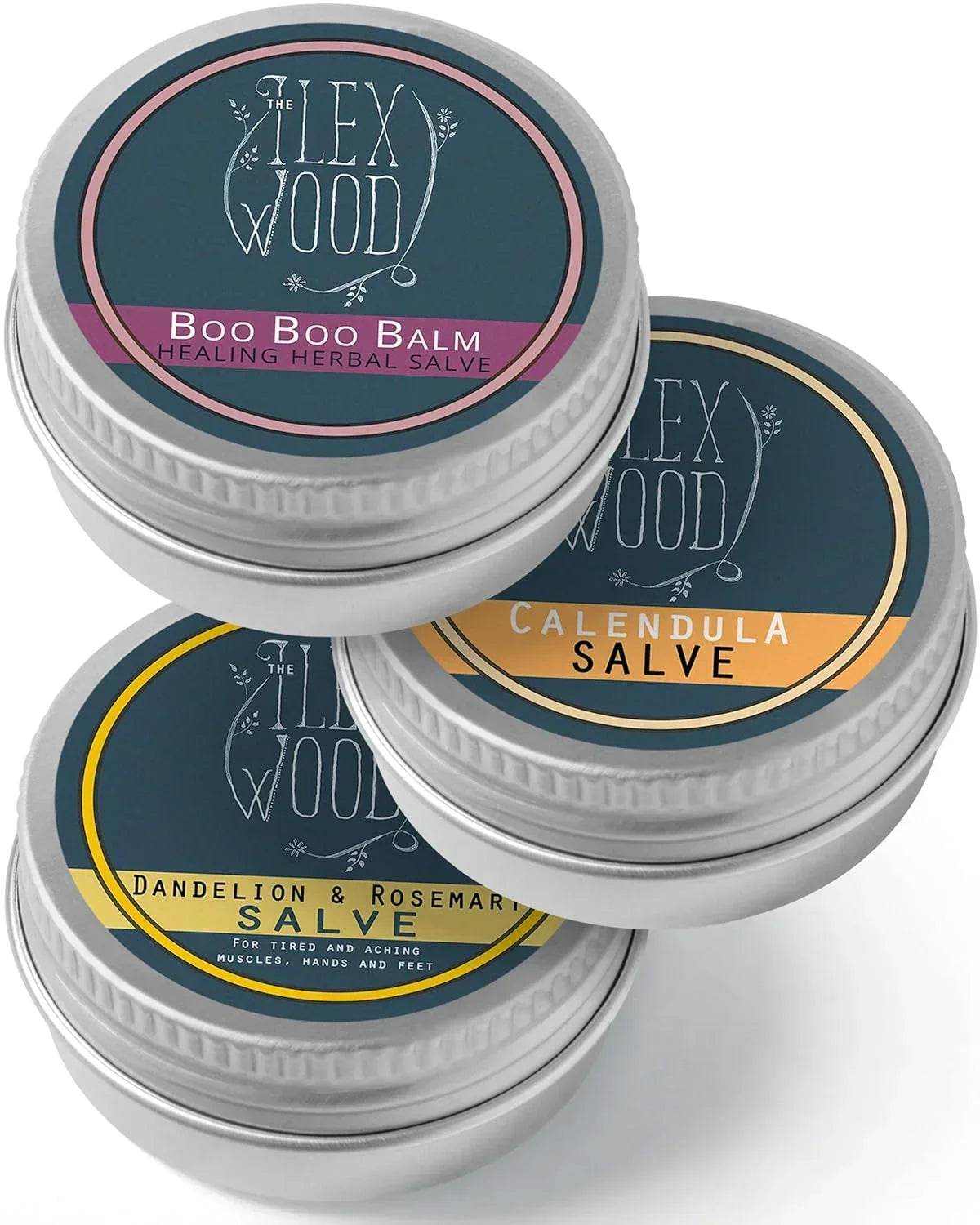
Our products are handcrafted, so you can browse our range and find a routine that suits your skin.
Frequently Asked Questions
Why is animal testing unnecessary for modern cosmetics?
Modern cosmetic safety assessment relies on methods that do not need animals. Computer modelling predicts how ingredients behave, reconstructed human skin models reproduce how skin responds to a product, and cell-based tests measure irritation and toxicity directly. Many of these approaches use human biology, which makes their results more relevant to people than tests on animals. Because a range of validated alternatives now exists, testing cosmetic products on animals is no longer necessary to show that they are safe for use.
Are cruelty-free cosmetics always vegan?
No. Cruelty-free means that neither the finished product nor its ingredients were tested on animals. Vegan means that the product contains no animal-derived ingredients, such as beeswax, lanolin or carmine. A product can be cruelty-free but still contain animal ingredients, and a vegan product can still be tested on animals if it is sold in a market that requires it. Looking for both labels gives the clearest picture of how a product is made.
How can I check whether a cosmetic product is cruelty-free?
Start by looking for a recognised certification logo on the packaging or the brand website. Check the brand's policy on animal testing, including whether it tests on animals itself or through third parties. Read the full ingredients list for animal-derived components, and be wary of vague claims such as 'not tested on animals' with no supporting detail. Where a brand is transparent about its suppliers and testing practices, you can usually verify its claims more easily.
What is the difference between vegan and cruelty-free skincare?
Vegan skincare contains no animal-derived ingredients, while cruelty-free skincare is not tested on animals. The two overlap but are not the same. A cruelty-free product may contain honey or beeswax, and a vegan product may not have been checked for its testing history. Checking the ingredients list and the brand's testing policy separately will tell you which of the two standards a product meets.
