

Quick Summary
A good facial serum for tired eyes depends on what is causing the tiredness. Dark circles respond to caffeine, coffee and orange, puffiness to eucalyptus and thyme, and dryness to hydrating oils such as cacay and jojoba. Look at your skin in natural light, identify the main concern, then choose a lightweight serum with ingredients that target it, and patch test before use.
- Check your under-eye skin in natural light, morning and evening, to spot the main concern.
- Serums are lighter and absorb quickly, while creams suit very dry skin and overnight use.
- Dark circles suit coffee, caffeine or orange; puffiness suits eucalyptus, thyme or bergamot.
- Patch test any new product on your jaw or inner arm for a day before using it near your eyes.
- See a GP or pharmacist if shadows or puffiness persist, are one-sided, or come with pain.
Table of Contents
- Working Out Why Your Eyes Look Tired
- Serum or Eye Cream: Which Suits Your Under-Eye Area?
- Eye Serum Ingredients to Look For and Avoid
- Best Eye Serum for Dark Circles: What to Compare
- How to Apply Eye Serum Without Irritation
- How Long Eye Serum Takes to Work and When to Seek Advice
- Frequently Asked Questions
Working Out Why Your Eyes Look Tired
Last Updated: November 19, 2026
Tired-looking eyes can have several causes, and a facial serum for tired eyes works best when you know which one you are dealing with.
A useful first step is to look at your face in natural light, first thing and again in the evening. Note whether the skin under your eyes looks darker, puffier, drier or finer. Each pattern suggests a different starting point.
Dark Circles, Puffiness or Dryness: Spotting the Difference
Dark circles often look blue or purple and sit under the lower lashes. Puffiness tends to be soft, swollen and more noticeable after sleep or salt-heavy meals. Dryness shows up as flaky, tight or crepey skin that looks dull under the eye.
These can overlap, so do not worry if you recognise more than one. Start with the feature that bothers you most, and use the comparison below to narrow it down.
| What you notice | Likely focus | Ingredients to look for |
|---|---|---|
| Darker, bluish shadows | Circulation and tone | Coffee, caffeine, orange |
| Morning puffiness | Soothing and de-puffing | Eucalyptus, thyme, bergamot |
| Dry, tight or fine lines | Hydration and nourishment | Cacay oil, jojoba, vitamin E |
If the shadows or puffiness are persistent, one-sided or come with pain, redness or changes to the skin, speak to a GP or pharmacist before relying on a cosmetic product.
Serum or Eye Cream: Which Suits Your Under-Eye Area?
Serums are typically lighter and more fluid than eye creams, so they absorb quickly. Creams are richer and suit very dry skin. Many people find a lightweight serum works well under makeup, while a cream is better overnight.
Neither is automatically better. Choose the texture your skin tolerates comfortably, and apply sparingly, since the delicate eye area needs only a small amount.
Eye Serum Ingredients to Look For and Avoid
When you are choosing a facial serum for tired eyes, the ingredient list matters more than the front-of-pack claims. You can see the ingredients in our Oblitzit Spot Serum to compare its formulation with the others described here. Ingredients fall into a few broad groups, each with a different job. Understanding what each one does helps you match a product to your main concern rather than guessing.
For puffiness and under-eye bags, our Revitalising Eye Serum includes green coffee oil, eucalyptus, thyme and bergamot.
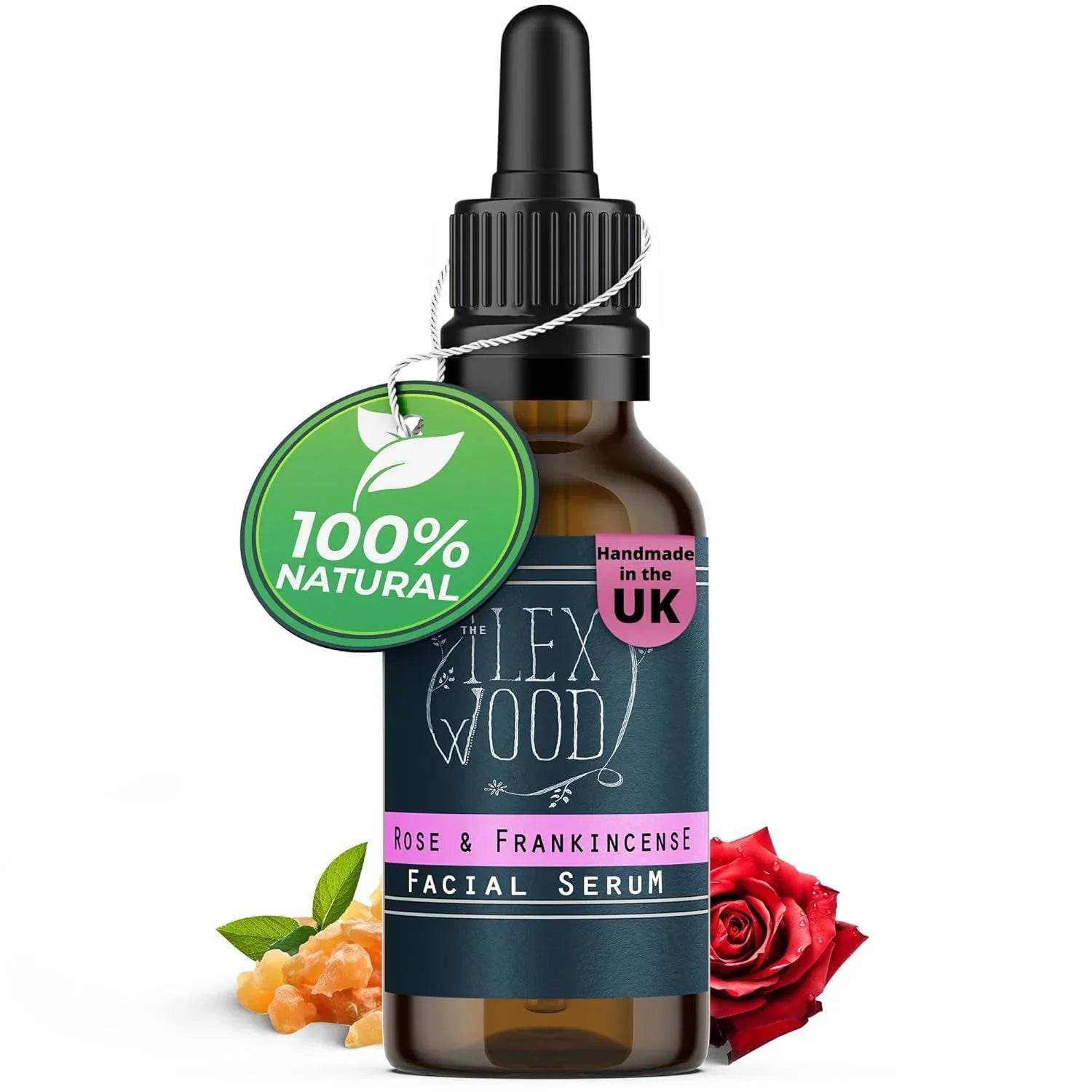
For dryness and fine lines, our Rose and Frankincense Facial Serum combines sweet almond, jojoba and coconut oils with vitamin E, and is designed to reduce the appearance of fine lines. If you want to know whether frankincense face creams help dry skin, read our article on the subject.
What to avoid: If your skin is sensitive, patch test any new product on your jaw or inner arm for a day before using it near your eyes. Avoid anything that gives you stinging, redness or itching.
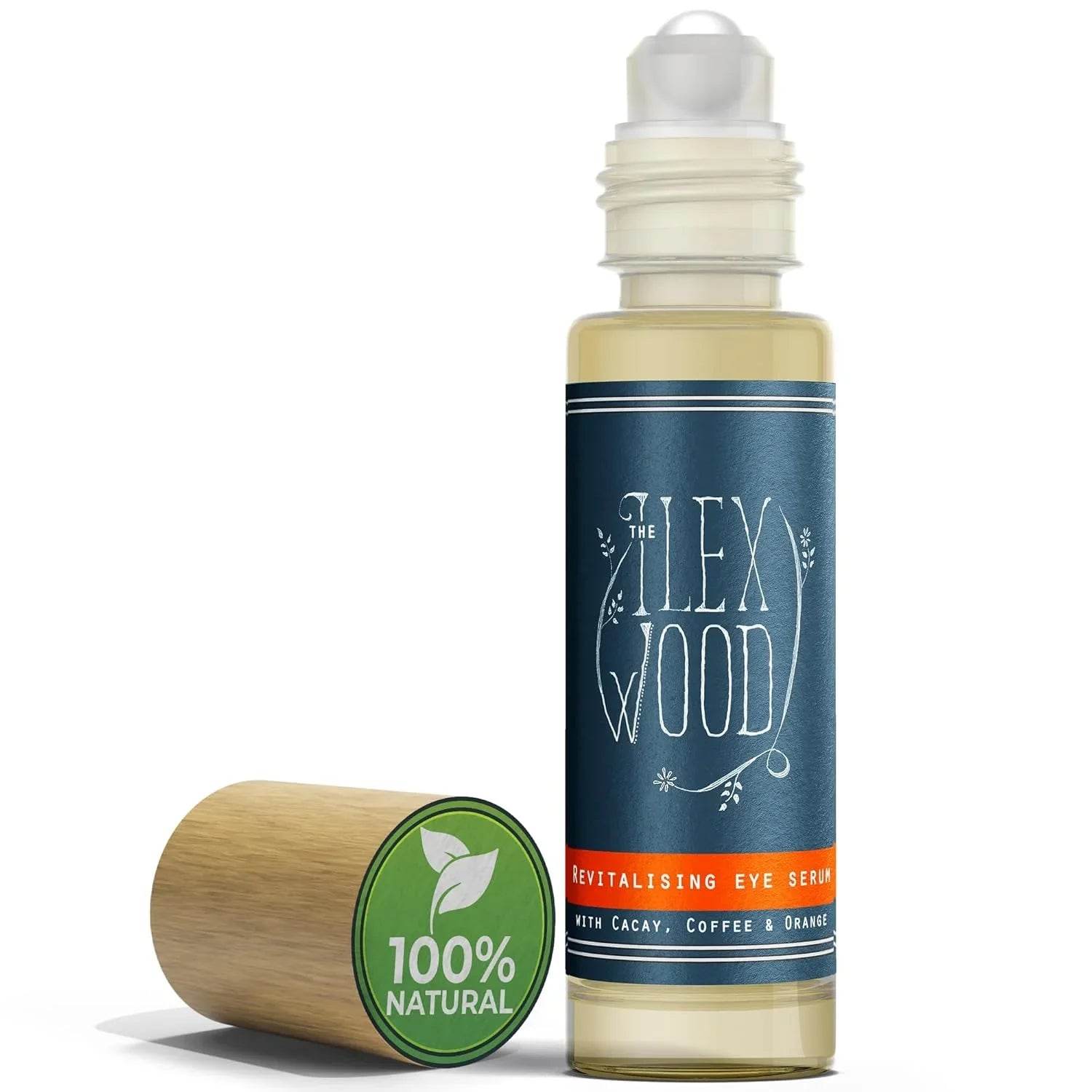
Our Revitalising Eye Serum is made with cacay oil, green coffee oil and orange essential oil. It is vegan, natural, palm oil free and cruelty free, with plastic-free packaging. You can browse our full range of eye serums to compare ingredients across products.
Best Eye Serum for Dark Circles: What to Compare
When comparing eye serums for dark circles, look past the marketing and focus on the ingredient list, texture, packaging and size. A 10ml bottle lasts a while when you use only a few drops for each eye.
Our Revitalising Eye Serum (10ml, £18.95) is made with Cacay oil, green coffee oil and orange, and suits people who want a natural, plastic-free option. You can browse our full range of eye serums to compare alternatives side by side.
Pros: natural, vegan, plastic-free packaging, lightweight enough for daily use. Cons: scent is noticeable, and results vary from person to person.
Compare the price per millilitre, not just the sticker price, and decide what matters most to you before you buy.
How to Apply Eye Serum Without Irritation
Applying eye serum correctly makes a difference to both results and comfort. The skin around your eyes is thin and fragile, so technique matters as much as the product itself.
Step-by-step application: Start with clean hands and a cleansed face. Warm one or two drops of serum between your ring fingers, the ring finger applies the lightest pressure. Tap gently along the orbital bone, from the inner corner outwards, using a light tapping motion rather than rubbing. Avoid dragging or pulling the skin. Let the serum absorb for a minute before applying moisturiser, sunscreen or makeup.
Morning and evening routine: In the morning, apply serum after cleansing and before sunscreen and makeup. In the evening, apply after cleansing and before a richer moisturiser if needed. If you use other active ingredients such as retinol or vitamin C, introduce them gradually and avoid layering them directly with eye serum unless the product is designed for it. A common pattern is to use eye serum first, then wait a few minutes before applying other products to reduce the risk of irritation.
Sensitive-eye safety: Patch test any new product on your jaw or inner arm for a day before using it near your eyes. Keep the serum out of direct contact with your eye, if it gets in, rinse with cool water. Stop using the product and seek advice if you notice persistent redness, swelling, itching or a burning sensation. If you wear contact lenses, apply serum before inserting lenses or wait until the product has fully absorbed.
How long to wait between products: Give each product a minute to absorb before the next step. This is especially important if you use multiple serums or a moisturiser on top, as layering too quickly can cause pilling or reduce absorption.
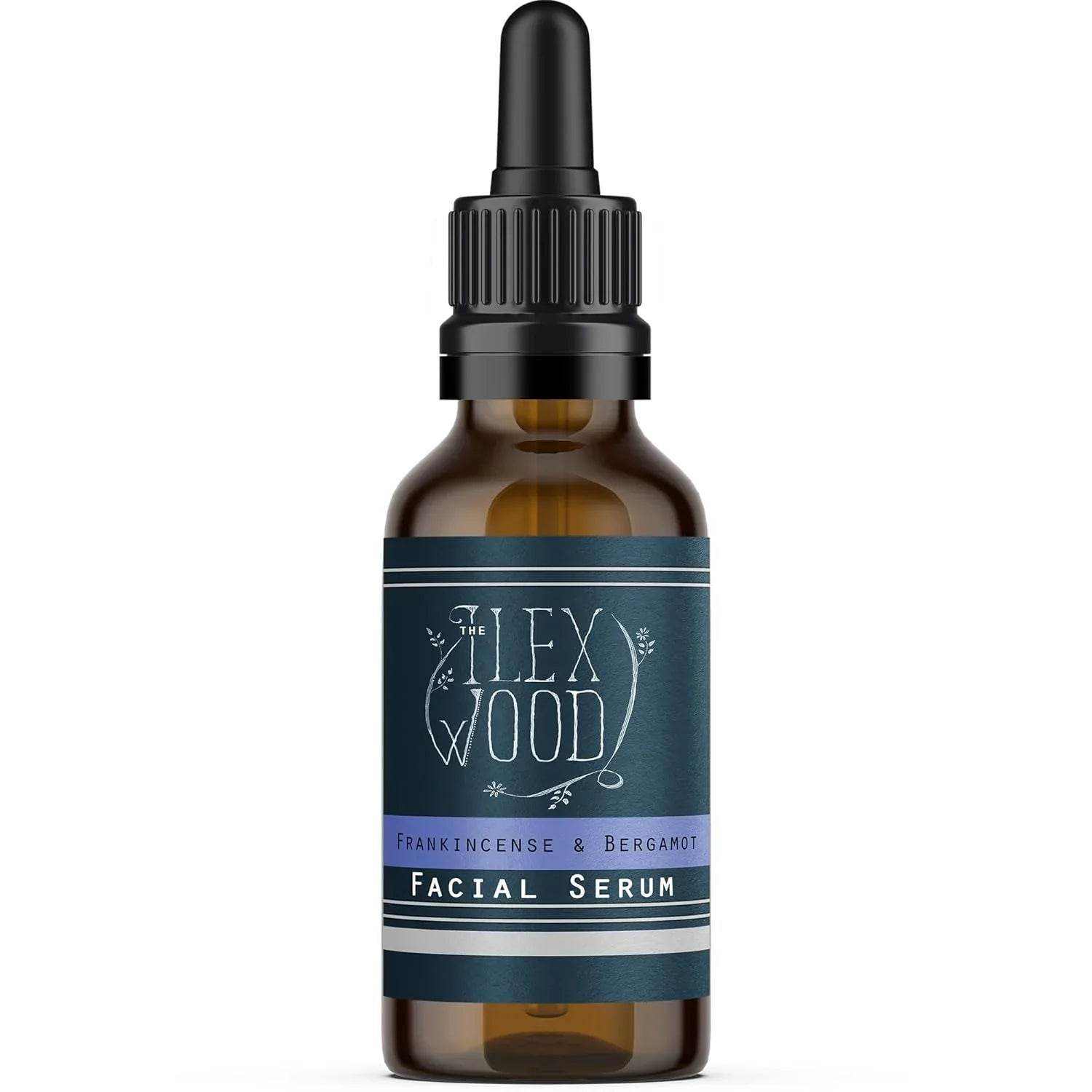
Our Revitalising Eye Serum is made with natural, vegan ingredients and can be incorporated into your morning or evening routine. For broader facial care, you can explore our Rose and Frankincense Facial Serum or Frankincense and Bergamot Facial Serum.
Watch out: if you experience stinging or persistent redness, stop using the product and consult a pharmacist or GP if symptoms continue.
How Long Eye Serum Takes to Work and When to Seek Advice
Keep notes or take a photo in the same light each week to judge progress honestly.
If your tired-looking eyes do not improve after a couple of months, or if you have swelling that comes and goes with other symptoms, see a GP or pharmacist. A cosmetic serum supports your routine but cannot treat medical causes.
Knowing the cause of tired-looking eyes can help you choose a suitable routine. If you want to start with something natural and plastic-free, our Revitalising Eye Serum with Cacay, Coffee and Orange is a good place to begin, and you can also explore our Rose and Frankincense Facial Serum or Frankincense and Bergamot Facial Serum for broader facial care. Browse our products at The Ilex Wood to find the right fit for your skin.
Frequently Asked Questions
How do I choose a serum for tired-looking eyes?
Start by working out the main concern: dark circles, puffiness, dryness or fine lines. Then look for ingredients that address that concern and a formula suited to your skin type. The Revitalising Eye Serum with Cacay, Coffee and Orange (£18.95) is designed to wake up and nourish tired skin around the eyes, while the Frankincense and Bergamot Facial Serum (£19.95) suits normal to dry skin. Patch test any new product on a small area first, especially if your skin is sensitive, and stop use if irritation develops.
Can I use a facial serum around my eyes?
Many facial serums are formulated for the face and may be too rich or strong for the delicate skin around the eyes. Products made specifically for the eye area, such as The Ilex Wood Revitalising Eye Serum, are usually lighter and designed for that purpose. If you use a facial serum near your eyes, apply only a very small amount, keep it away from the eye itself, and check the product's label for guidance on use around the eyes.
What ingredients should I look for in an eye serum?
Look for ingredients that match your concern. Our Revitalising Eye Serum includes eucalyptus, thyme and bergamot, and our Rose and Frankincense Facial Serum includes jojoba and sweet almond oil with vitamin E. Always read the full ingredient list, check for any ingredients you know you react to, and remember that no ingredient guarantees a specific result.
How long does it take to see results from an eye serum?
Results vary between people and depend on your skin and the concern you are treating. Keep a simple note of how your eyes look and feel each week, rather than expecting a dramatic change overnight. If you notice persistent swelling, pain or changes in the skin around your eyes, speak to a GP or pharmacist.
