

Last Updated: 11 November 2026
Quick Summary
Sleep position may contribute to sleep lines, but the evidence on sleep position skin sagging is limited. Side and stomach sleeping press the face into bedding for hours, while back sleeping is often seen as lower pressure. Sun exposure, smoking and natural collagen loss usually matter more.
- Stomach sleeping puts the most strain on the face and neck.
- Back sleeping places the least direct pressure on the face.
- A firm, supportive pillow keeps your head in line with your spine.
- Sleep lines usually fade during the day rather than becoming lasting wrinkles.
- Photograph your face monthly in the same light to track real changes.
Table of Contents
- Does Sleep Position Affect Skin Sagging and Wrinkles?
- Best Sleeping Position for Skin: Back, Side and Stomach Compared
- Reducing Sleep Lines and Pillow Pressure: Your Next Steps
- Frequently Asked Questions
Does Sleep Position Affect Skin Sagging and Wrinkles?
Sleep position can affect skin, but the evidence is more limited than many articles suggest. Repeated pressure and friction from pressing your face into a pillow may contribute to sleep lines, the creases that fade during the day. Whether those creases become lasting wrinkles or cause sagging over time is far less clear.
The main risk factors people discuss are side and stomach sleeping. Both can press the face and chest into bedding for hours each night. Back sleeping is often presented as the lower-pressure option, though the research on it is also thin.
Sleep position is best treated as one small factor among many, not the main cause of ageing skin. For more background, read our guide to natural ways to improve skin elasticity. Sun exposure, smoking and natural collagen loss usually matter more. Collagen and elastin decline with age, and that process happens regardless of how you sleep.
Best Sleeping Position for Skin: Back, Side and Stomach Compared
Back sleeping puts the least direct pressure on the face. Side sleeping is the most common position, and it often leaves one side of the face pressed into the pillow.
Stomach sleeping puts the most strain on the face and neck, so it's the position most worth changing.
- Back: least facial pressure
- Side: common, pressure on one side
- Stomach: most facial and neck strain
Watch out: switching from side to back can feel uncomfortable at first. Use a supportive pillow and change position gradually.
!A woman in her late thirties lying on her back on a soft pillow in a bright bedroom, relaxed and facing upwards
The three main sleeping positions differ in how much pressure they place on the face, as summarised below.
| Position | Facial pressure | Note |
|---|---|---|
| Back | Least | Lowest direct pressure on the face |
| Side | Moderate | Common; one side pressed into the pillow |
| Stomach | Most | Greatest strain on face and neck |
Reducing Sleep Lines and Pillow Pressure: Your Next Steps
Start with your pillow. A firm, supportive pillow keeps your head in line with your spine. You can find more practical steps in how to treat dry skin naturally. Many people also choose a silk or satin pillowcase to reduce friction.
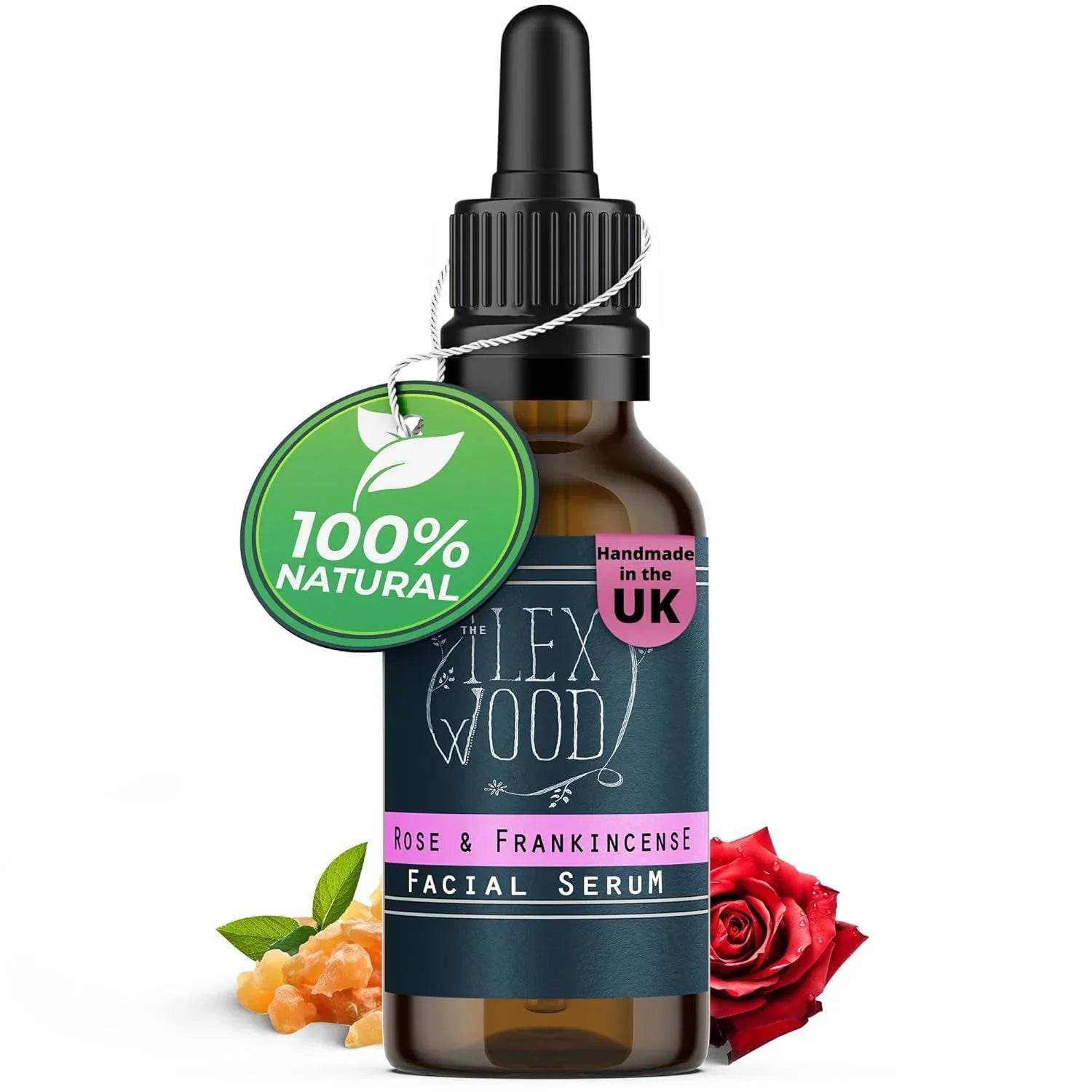
Next, support your skin at night. Our Rose and Frankincense Facial Serum is a 20ml plant-based oil, made from 100% natural ingredients, and is free from palm oil, plastic-free and cruelty-free. Browse our Rose and Frankincense Facial Serum to add it to your evening routine.
Finally, track changes over time. Take a photo of your face each month in the same light, so you can see real trends rather than day-to-day differences.
Ready to build a gentler night routine? Browse our products at The Ilex Wood, where every product is vegan, plastic-free and made from natural ingredients. Start with our Rose and Frankincense Facial Serum and see how it fits your routine.
Frequently Asked Questions
Can sleeping on your side cause skin sagging?
Sleeping on one side can press the face into the pillow night after night, and this repeated pressure and friction may contribute to sleep lines over time. However, the evidence that side sleeping causes true sagging is limited. Gravity, sun exposure, smoking and natural collagen loss with age all play a larger role. If you notice creasing on one side of your face, changing your position gradually is a sensible, low-cost step to try.
Is sleeping on your back better for your skin?
Back sleeping keeps the face off the pillow, which reduces pressure and friction on the skin. This is why many people find it helpful for preventing sleep lines. Moving to back sleeping can take a few weeks, so use pillows to support your neck and prevent rolling onto your side. Pair it with a good daily moisturiser and sun protection for the most noticeable results.
Do silk pillowcases prevent wrinkles?
A silk pillowcase creates less friction than cotton, so your face may glide more easily while you sleep. This can reduce the drag that contributes to creasing. The research on silk specifically is still limited, so treat it as a supportive habit rather than a cure. Changing your sleep position and keeping your skin well moisturised are likely to make a bigger difference.
