

Last Updated: 10 November 2026
Quick Summary
To learn how to identify vegan and cruelty free ingredients, check two things separately: what is in the bottle and how the finished product was tested. Vegan means no animal-derived ingredients at all, while cruelty-free means the brand does not test finished products on animals. Scan the ingredient list for beeswax, lanolin, carmine and squalene, then confirm the testing policy.
- A product can be cruelty-free yet still contain beeswax or lanolin, so check both claims.
- Common animal-derived ingredients include beeswax, lanolin, carmine, gelatin, collagen, squalene and honey.
- Animal ingredients often hide behind chemical or Latin names such as cera alba and keratin.
- Glycerin and stearic acid can come from plants or animals, so check the brand's sourcing statement.
- Choose products with a named third-party certification rather than a vague "natural" or "clean" claim.
Table of Contents
- Vegan and Cruelty-Free: What the Terms Mean and Why They Differ
- Animal-Derived Ingredients in Skincare to Watch For
- How to Read Skincare Ingredient Labels Step by Step
- Using a Vegan Skincare Ingredient Checker Wisely
- Cruelty-Free Skincare Certification and Vegan-Washing
- Choosing Your Next Plant-Based Skincare Product
- Frequently Asked Questions
Vegan and Cruelty-Free: What the Terms Mean and Why They Differ
Vegan and cruelty-free sound alike, but they answer different questions. A vegan product contains no animal-derived ingredients at all. A cruelty-free product means the brand does not test its finished products on animals. A product can be one, both, or neither.
That gap is where most shoppers get caught out. A face cream can be cruelty-free yet still contain beeswax or lanolin. Equally, a vegan product may still be tested on animals where the law requires it.
So when you learn how to identify vegan and cruelty free ingredients, check both separately. Ask two questions: what is in the bottle, and how was it tested?
Animal-Derived Ingredients in Skincare to Watch For
Many skincare products contain animal-derived ingredients that people don't expect. Common ones include:
- Beeswax - a thickener found in balms and salves
- Lanolin - wool grease used in moisturisers
- Carmine - a red colourant made from crushed insects
- Gelatin and collagen - sometimes used in masks and capsules
- Squalene - a skin-conditioning oil, often shark-derived
- Honey - common in "natural" cleansers
Look for these on the ingredient list before you buy. Plant and mineral alternatives such as soy wax, candelilla wax and plant squalane do the same job. Read about the benefits of plant-based oils for the face if you are looking for replacements for animal-derived ingredients. Our guide to vegan face oils explains how plant-based oils work as alternatives to animal ingredients.
The most common animal-derived ingredients in skincare, and the plant or mineral alternatives that do the same job, are summarised below.
| Ingredient | What it is | Plant or mineral alternative |
|---|---|---|
| Beeswax | Thickener in balms and salves | Soy wax, candelilla wax |
| Lanolin | Wool grease used in moisturisers | Not specified in the article |
| Carmine | Red colourant made from crushed insects | Not specified in the article |
| Gelatin and collagen | Used in masks and capsules | Not specified in the article |
| Squalene | Skin-conditioning oil, often shark-derived | Plant squalane |
| Honey | Common in natural cleansers | Not specified in the article |
How to Read Skincare Ingredient Labels Step by Step
Reading a label takes less than a minute once you know the routine.
- Find the ingredient list. It is usually on the back or side of the packaging, under a heading such as "Ingredients" or "INCI".
- Scan the list from the top. Ingredients are listed from highest to lowest concentration.
- Check for animal-derived names. Compare each name against a list of known animal-derived ingredients.
- Look up anything unclear. Names like "glycerine" can come from plants or animals, so check the brand's sourcing information.
- Check the claims separately. A "vegan" logo means more than a word on the front of the pack.
Hidden Names for Animal Ingredients
Animal ingredients often hide behind chemical or Latin names. Watch for:
- Cera alba (beeswax)
- Lanolin, lanolin oil, or lanolin alcohol
- Stearic acid, which can be animal or plant-based
- Keratin, elastin and collagen
- Glycerin, which may come from tallow
Stearic acid and glycerin are not always animal-derived, so a brand statement is the safest check.
Using a Vegan Skincare Ingredient Checker Wisely
An online ingredient checker can speed up the first pass. Paste in the full list and it will flag names that are commonly animal-derived, such as lanolin, carmine and beeswax. It is useful for catching the obvious items quickly.
Where a checker stops being reliable is at the ingredients that can come from either source. Glycerin, stearic acid, cetyl alcohol and many emulsifiers can be made from plant oils or from animal fats, and the same name on a list does not tell you which. A checker will usually mark these as uncertain, and that uncertainty is the point where you need to look further.
To resolve an uncertain item:
- Search the brand's sourcing statement. Many brands publish a note on palm, plant and animal-derived ingredients.
- Check the supplier's specification. Larger manufacturers often state the origin of common ingredients in their technical data.
- Contact the brand with the exact ingredient name. Asking "Is your glycerin plant-derived?" gets a more useful answer than asking whether the product is vegan.
- Look for a certified version. A vegan certification on the product means the uncertain items have already been checked by someone else.
A checker answers the question "does this list contain obvious animal ingredients?" It cannot answer "where did this glycerin come from?" Keep those two questions separate and you will avoid the false confidence that a green tick can create.
Watch out: a checker can miss newer or proprietary ingredient names, so a clean result is a starting point rather than a verdict.
Cruelty-Free Skincare Certification and Vegan-Washing
Third-party certification is the strongest signal you can get, but it is not the only one. Logos are only as useful as the standard behind them, so before you trust a badge, check three things: who issues it, what it actually tests for, and whether it covers the finished product or only one ingredient.
Read the criteria of any cruelty-free scheme yourself rather than relying on a logo alone, and check whether it covers the brand and its suppliers or only the finished product.
Vegan-washing is the practice of using soft green language, pastel packaging, or words such as "natural", "pure" or "clean" to suggest vegan credentials that the product does not carry. A practical way to test a claim:
- Look for a named scheme. A statement such as "100% vegan" with no certifier behind it is a brand's own word, which is worth less than an independent audit.
- Check the whole list, not the hero ingredient. A product can be marketed around a plant oil while still containing lanolin or beeswax further down.
- Read the policy page. Brands that take the claim seriously usually explain their sourcing for glycerin, stearic acid and colourants.
- Ask the brand directly. A clear, specific answer is a good sign. A vague one is a reason to look elsewhere.
Watch out: a certification that covers only the brand's testing policy says nothing about the ingredients, so a cruelty-free badge alone never confirms that a product is vegan.
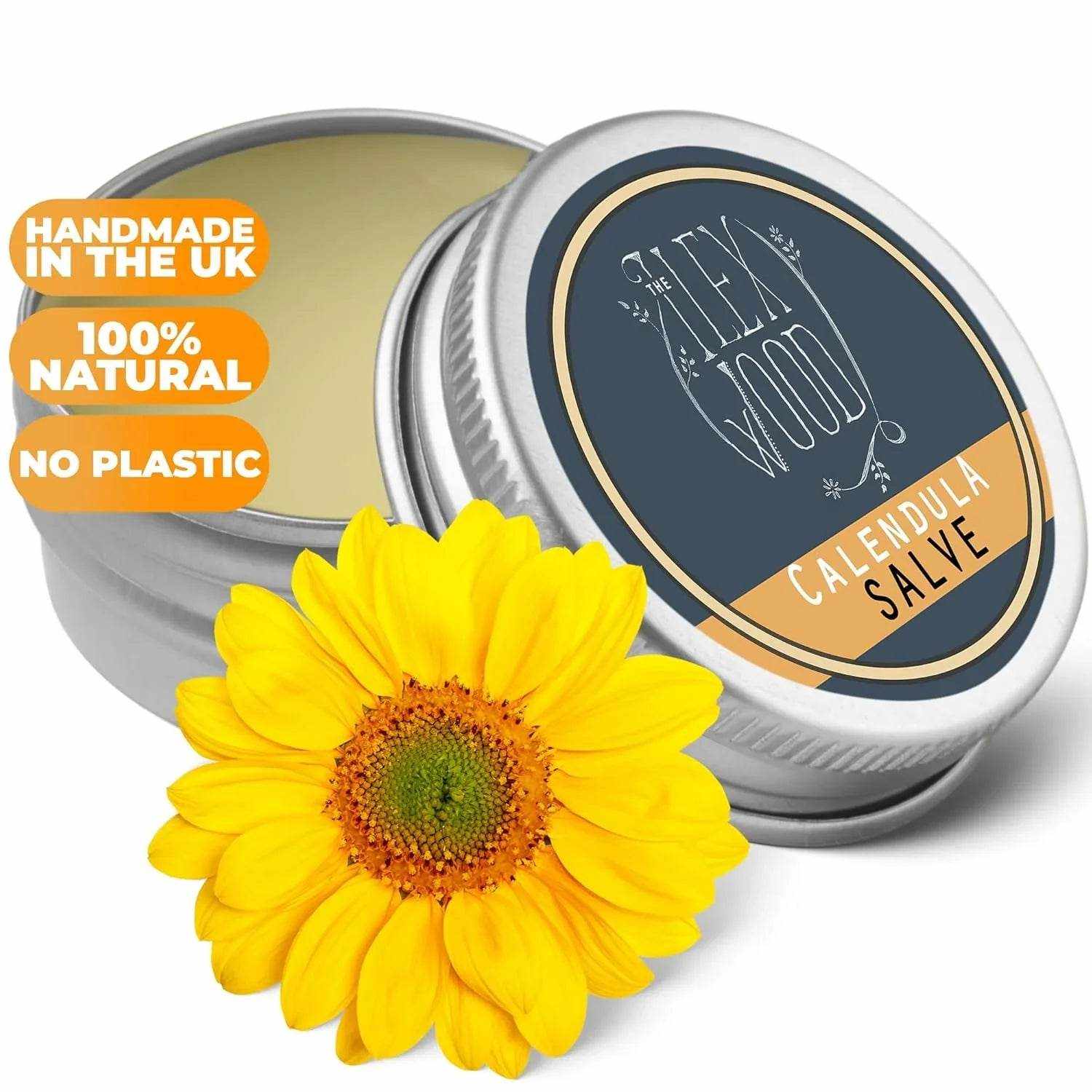
The Ilex Wood's Vegan Calendula Salve is formulated with soy wax, a plant-based alternative to beeswax, and its vegan and cruelty-free status is stated on the product page so you can check it yourself. That kind of transparency is what to look for in any brand you buy from.
Choosing Your Next Plant-Based Skincare Product
When you shop, run through the steps above: check the ingredient list, confirm the testing policy, and look for a credible certification. You can compare our curated cruelty-free skincare picks to see which products meet these standards. That routine protects you from vegan-washing and surprises in the bottle.
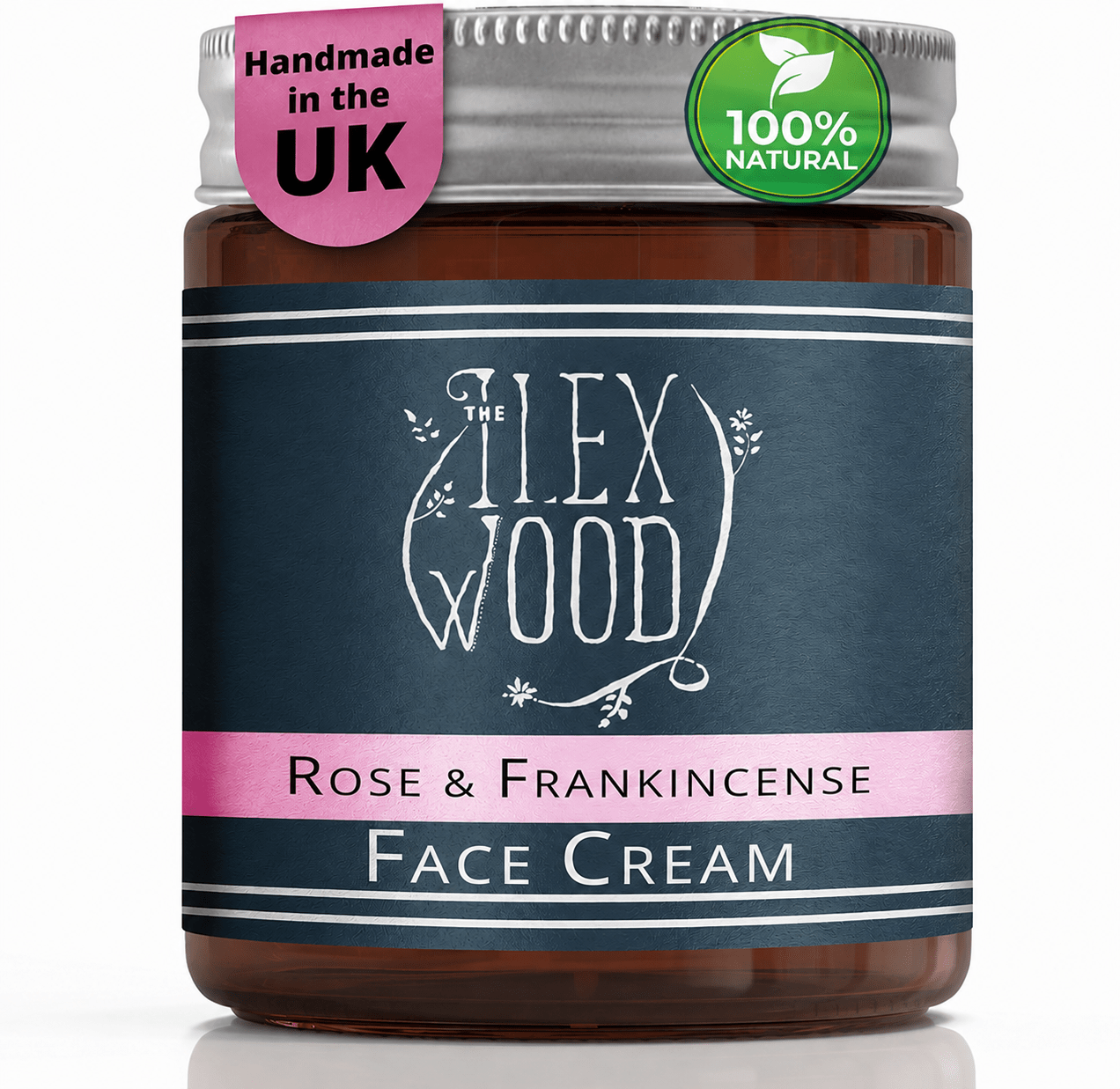
If you want a product that passes these checks, consider The Ilex Wood Vegan Calendula Salve (100ml, £16.95). It is vegan, cruelty-free, palm oil free and sold in plastic-free packaging, and it uses soy wax instead of beeswax. You can browse our vegan range or try the Rose and Frankincense Face Cream for a richer option. Free postage applies on all UK orders.
Frequently Asked Questions
What is the difference between vegan and cruelty-free skincare?
Vegan skincare contains no ingredients derived from animals, such as beeswax, lanolin, carmine or gelatin. Cruelty-free skincare means the product and its ingredients were not tested on animals. The two terms overlap but are not interchangeable: a product can be vegan yet still tested on animals where the law requires it, and a cruelty-free product can contain animal-derived ingredients. Check both the ingredient list and the testing policy before deciding a product meets your standards.
How can I tell if a skincare ingredient is animal-derived?
Look up unfamiliar names on the ingredient list. Many animal-derived ingredients have Latin or chemical names that do not look animal-related, such as cholesterol, keratin or squalene. Check whether the ingredient is listed as plant-based, synthetic or animal-sourced by the manufacturer, and contact the brand directly if the source is not stated. A clear, specific source on the label or website is a good sign.
Does a vegan label mean a product is cruelty-free?
Not necessarily. A vegan label refers to the ingredients only. It does not tell you whether the finished product or its ingredients were tested on animals. Look for a clear cruelty-free statement or a recognised certification that covers testing, and read the brand's testing policy if it is not obvious. Both claims are worth checking separately.
Are ingredient-checker apps reliable for skincare?
Ingredient-checker tools are useful for a quick first check, but they are only as accurate as their database. Some flag ingredients as vegan without indicating the source, and some miss newer or less common names. Use them alongside the label itself and, where in doubt, confirm with the manufacturer. Treat the app as a starting point rather than a final verdict.
