
Last Updated: 12 November 2026
Quick Summary
A botanical face balm is a concentrated, oil-based product made from plant extracts, plant oils and natural waxes. Unlike a water-based moisturiser, it forms a protective layer on the skin, so it feels richer and lingers longer. It is typically used in a pea-sized amount for hydration and comfort.
- Most moisturisers are water-based, while a botanical face balm is largely oil and wax.
- A botanical face balm feels richer and lingers longer than a typical moisturiser.
- Apply a pea-sized amount to clean, dry or slightly damp skin and massage it in.
- The Frankincense and Bergamot Face Balm includes Shea Butter and Vitamin E.
- Check the ingredient list carefully and stop use if irritation develops on sensitive skin.
Table of Contents
- The Main Benefits of Using a Botanical Face Balm
- How to Use a Face Balm and Whether It Suits Sensitive Skin
- Frequently Asked Questions
A botanical face balm is a concentrated, oil-based product made from plant extracts, plant oils and natural waxes. It sits closer to a facial oil than a water-based moisturiser, and it usually forms a protective layer on the skin rather than adding water to it. That difference shapes how it feels, how you use it and what it does best.
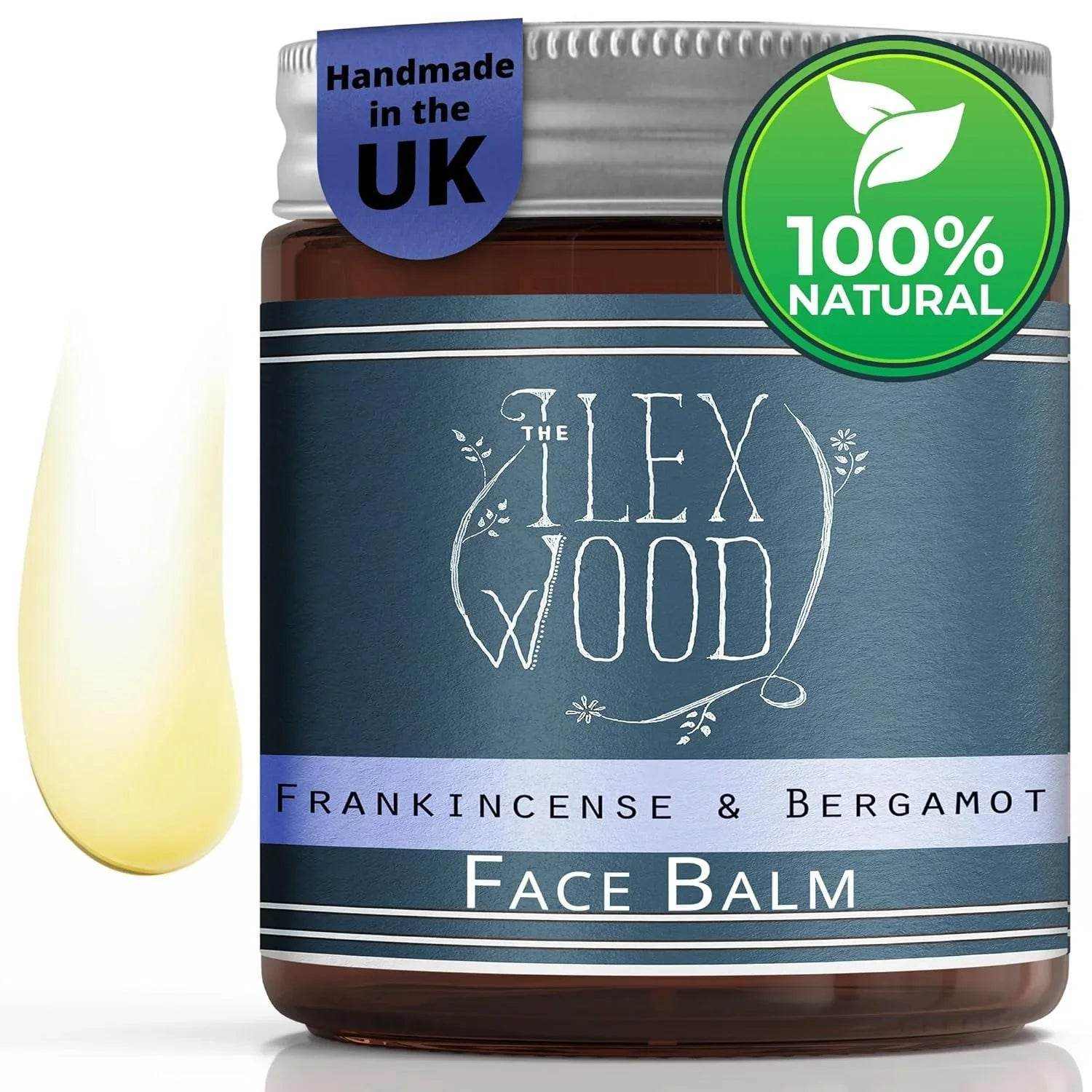
If you are curious about this category, the Frankincense and Bergamot Face Balm- 60ml from The Ilex Wood is a good place to see what a plant-based balm looks like in practice. Its listing describes a semi-thick, balm-like texture that needs only a small amount per application.
The main difference from a moisturiser is the base. Most moisturisers are water-based emulsions, while a balm is largely oil and wax. A moisturiser can feel lighter and absorb quickly, whereas a balm tends to feel richer and linger longer.
The Main Benefits of Using a Botanical Face Balm
Botanical face balms are valued for hydration, nourishment and comfort. Plant oils and butters can help slow moisture loss, and the richer texture can make dry patches feel softer. The Frankincense and Bergamot Face Balm includes Shea Butter and Vitamin E, which are included in the formulation for their anti-ageing properties.
Plant-based ingredients have their own appeal. If you want to understand why oils from plants are used in skincare, read more about the benefits of plant-based oils for your face. For a wider look at botanical options, herbal skincare for glowing skin: 7 effective plants covers the plants that appear most often in natural formulations.
Results vary from person to person, so treat any benefit as something to observe on your own skin rather than a guarantee.
The article describes the main ways a botanical face balm differs from a moisturiser and what its key ingredients are meant to do.
| Feature | Botanical face balm | Moisturiser |
|---|---|---|
| Base | Largely oil and wax | Water-based emulsion |
| Texture | Richer, lingers longer | Lighter, absorbs quickly |
| Typical use | Protective layer on the skin | Adds water to the skin |
| Featured ingredients | Shea Butter and Vitamin E | Not specified in the article |
How to Use a Face Balm and Whether It Suits Sensitive Skin
Apply a small amount, roughly a pea-sized portion, to clean, dry or slightly damp skin, then massage it in until absorbed. Because the balm is highly concentrated, a pea-sized amount is usually enough per application, and it can be used in both morning and evening routines.
Sensitive skin needs particular care. Read the ingredient list carefully before use, and stop using any product if irritation develops. If your skin is reactive, natural skincare for sensitive reactive skin explains what to look for, and why small-batch skincare suits sensitive skin sets out the case for smaller, carefully made ranges.
Frequently Asked Questions
What is a botanical face balm?
A botanical face balm is a richer, solid-leaning skincare product built around plant oils, butters and botanical extracts rather than water and synthetic emulsifiers. It typically contains oils such as jojoba, coconut or raspberry seed, along with plant butters and vitamin E. Because it has little or no water, it sits on the skin as a protective layer that helps keep moisture in. The Ilex Wood's Frankincense and Bergamot Face Balm, priced at £19.95 for 60ml, is one example of this type of product.
Is a face balm good for dry skin?
A face balm can suit dry skin because its oils and butters help reduce water loss from the surface of the skin, keeping it feeling softer for longer. The Ilex Wood Frankincense and Bergamot Face Balm is described as suitable for dry to combination skin and is concentrated, so a pea-sized amount is usually enough. Dry skin that is flaky, tight or sore may need medical advice, so it is worth speaking to a GP or pharmacist if a balm does not help.
Can you use a face balm instead of a moisturiser?
In many cases you can, particularly at night or in cold, dry weather when the skin needs a heavier layer of protection. A face balm is usually more concentrated than a standard lotion, so it tends to feel richer and may need less product. Some people find a lighter moisturiser more comfortable under make-up during the day. Trying a small amount first will show you whether a balm works for your skin.
