

Quick Summary
A herbal massage oil mainly acts as a carrier that lets your hands glide smoothly over tired muscles, so you can apply firm pressure without dragging the skin. It softens the skin and reduces friction, making post-workout massage more comfortable. Any muscle benefit from scented blends is best treated as a pleasant bonus rather than a guaranteed result.
- The oil reduces friction, so pressure feels smooth rather than rough.
- Warm a small amount between your palms before you start.
- Spend about five to ten minutes on each sore area, stopping if anything hurts.
- Patch test diluted oil on the inner forearm for 24 hours before a full massage.
- See a doctor if pain is severe, sudden, or has swelling that does not settle.
Table of Contents
- What Herbal Massage Oil Does for Sore Muscles
- What the Oil Does Versus What Massage Does
- Essential Oils for Sore Muscles and What the Evidence Shows
- Safe Dilution of Essential Oils for Massage
- How to Use Massage Oil for Muscle Soreness
- Choosing the Best Massage Oil for Muscle Recovery
- Trying Alleviate, Relax and Invigorate for Your Own Recovery
- Frequently Asked Questions
What Herbal Massage Oil Does for Sore Muscles
A herbal massage oil works mainly as a carrier for the massage itself. It helps your hands glide smoothly over tired muscles, so you can apply firm, comfortable pressure without dragging the skin.
Most people reach for one after a hard workout, a long day on their feet, or a session at the gym. The oil gives you a calm, focused moment to work on the areas that feel tight, such as the calves, shoulders and lower back.
The benefit people usually notice first is the feel of the massage. The oil softens the skin, keeps friction low and makes the whole routine more pleasant.
Key points at a glance:
- The oil reduces friction, so pressure feels smooth rather than rough
- Plant oils leave the skin soft and supple after use
- Scented herbal blends can make the routine feel more relaxing
What the Oil Does Versus What Massage Does
It helps to separate two things: what the oil does, and what the massage does. Mixing them up is one of the most common reasons people expect too much from a bottle of oil.
The oil supports the massage. It cuts down friction, lets your hands move freely and adds a pleasant scent.
Here is a simple way to think about it:
| Element | Main role | What it does not do |
|---|---|---|
| Massage technique | Works on tight muscles | Replace medical care |
| Carrier oil | Reduces friction, softens skin | Treat deep muscle injury |
| Essential oil blend | Adds scent, a relaxing feel | Repair muscle tissue |
The key takeaway is that the oil makes a massage more comfortable.
Essential Oils for Sore Muscles and What the Evidence Shows
Many massage oils include essential oils such as lavender, eucalyptus, peppermint or lime. These are popular because they smell pleasant and are widely used in aromatherapy.
Lavender is often chosen for its calming scent. It can make the massage experience more pleasant.
Peppermint contains menthol, which creates a cooling sensation on the skin.
Eucalyptus is used for its fresh aroma.
Lime and other citrus oils add a bright scent. They are not traditional muscle remedies, and their presence in a blend is mostly about aroma.
A sensible approach is to:
- Choose blends you enjoy the smell of
- Treat any muscle benefit as a pleasant bonus, not a guaranteed result
- Check the ingredient list if you have sensitive skin or allergies
Your own experience of how a blend feels is a fair guide. Look for blends that clearly list their essential-oil content. Our Alleviate Muscle Massage Oil, for example, includes a blend of essential oils. While essential oils can shape how a massage blend feels, Power Nutrition also considers magnesium as part of the wider conversation about muscle recovery.
Safe Dilution of Essential Oils for Massage
Essential oils are very concentrated, so they should always be diluted in a carrier oil before they touch the skin. Applying them neat can cause irritation, redness or sensitisation.
Start with a low dilution, especially if your skin is sensitive, and err on the side of caution.
Good practice includes:
- Do a patch test on a small area of skin for 24 hours before a full massage. Apply a small amount of the diluted oil to the inner forearm and cover with a plaster. If you notice redness, itching or swelling, do not use it.
- Avoid broken or irritated skin.
- Keep oils away from the eyes and mucous membranes.
- Store oils in a cool, dark place.
- Check with a pharmacist if you are pregnant, breastfeeding or have a health condition. Some essential oils are not recommended during pregnancy.
- Keep out of reach of children, and do not use essential oils on children under 2 years old without professional advice.
Watch out: if you have sensitive skin or a history of eczema, test on a small area first.
How to Use Massage Oil for Muscle Soreness
Warm a small amount of oil between your palms before you start. Cold oil can feel unpleasant on tired muscles.
Use this simple method:
- Apply a small amount. Start with about a teaspoon for one area, such as one calf or one shoulder.
- Warm the oil. Rub your hands together to spread it and take the chill off.
- Stroke first. Use long, gentle strokes towards the heart to settle the area.
- Knead the muscle. Work the tight spots with slow circles or gentle squeezes.
- Finish gently. End with light, flowing strokes to help you relax.
Spend about five to ten minutes on each sore area. Stop if anything feels painful, and never press hard on bruises, swelling or joints.
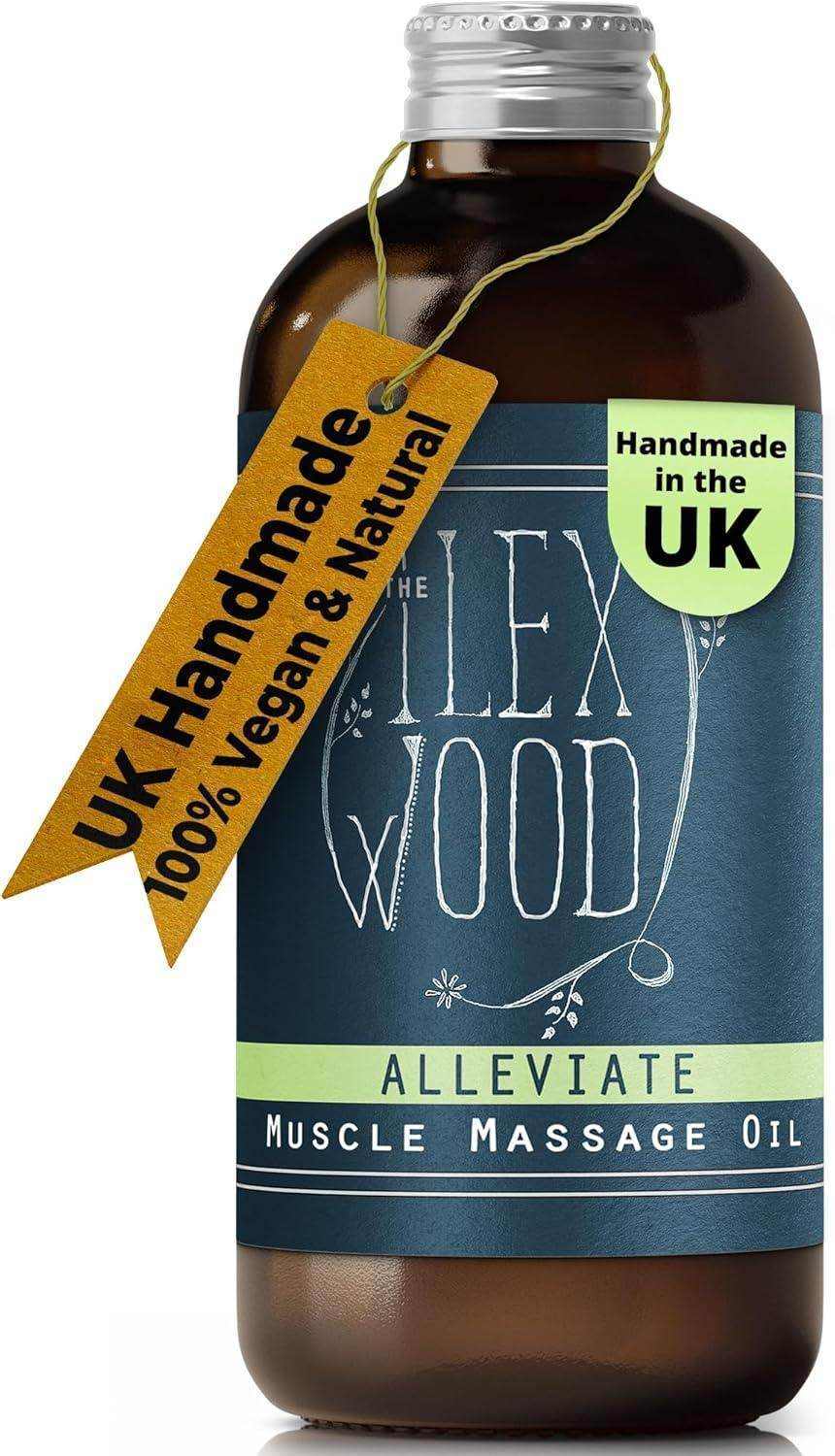
Our Alleviate Muscle Massage Oil is designed for this kind of routine. It blends sweet almond and argan oils with essential oils, and it is free from alcohol and palm oil. You can find it for a post-exercise massage on our site, or compare it with our other blends in the range.
A Post-Exercise Routine You Can Follow
A simple routine after training might look like this:
- Straight after exercise: Walk for a few minutes to ease your heart rate down.
- Within the hour: Massage the main muscles you used, for about 10 minutes in total.
- That evening: Repeat on any areas that still feel stiff, keeping pressure light.
- Next day: If soreness is still strong, massage gently and consider rest.
When Muscle Pain Needs Medical Assessment
A massage oil is not the right tool for every type of pain. See a doctor or physiotherapist if:
- The pain is severe, sudden or getting worse
- You notice swelling, heat, redness or bruising that does not settle
- You have pain after a fall or injury
- The ache lasts more than a week or stops you moving normally
- You feel numbness, weakness or tingling
Do not massage a suspected injury until a professional has checked it.
Choosing the Best Massage Oil for Muscle Recovery
When you choose a massage oil, look at the things you can check easily:
- Carrier oil: Sweet almond and argan oils are gentle and absorb well.
- Scent: Pick a blend you enjoy, as this makes regular use more likely.
- Ingredients: Look for clear labelling, alcohol-free formulas and suitable options for sensitive skin.
- Packaging: Glass bottles and plastic-free packs suit people who prefer less waste.
- Price: Compare cost per 100ml, not just the sticker price.
Best for: people who want a simple, pleasant massage routine after training. Skip if: you want a clinically proven treatment for a specific injury. An oil cannot provide that.
Trying Alleviate, Relax and Invigorate for Your Own Recovery
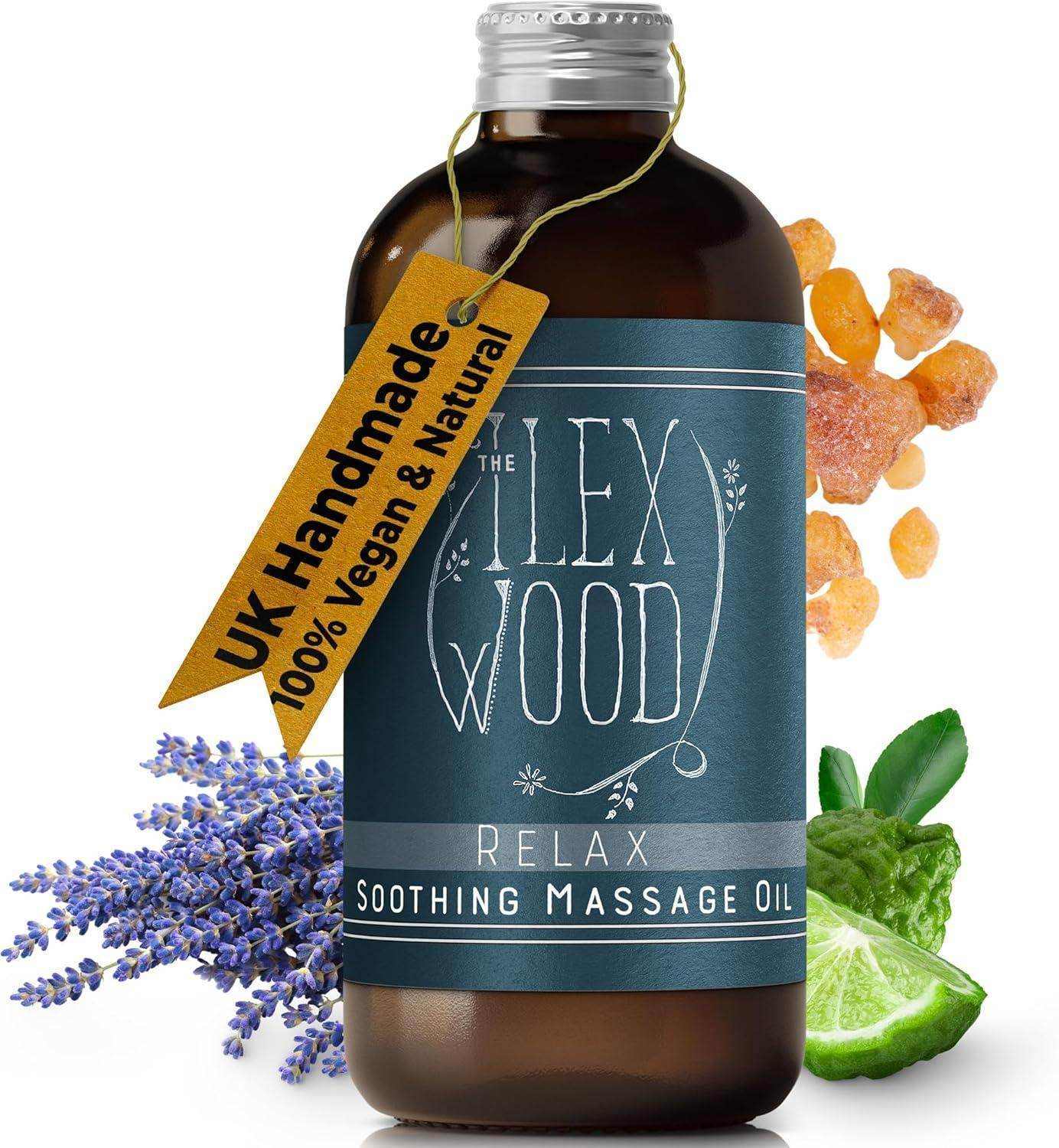
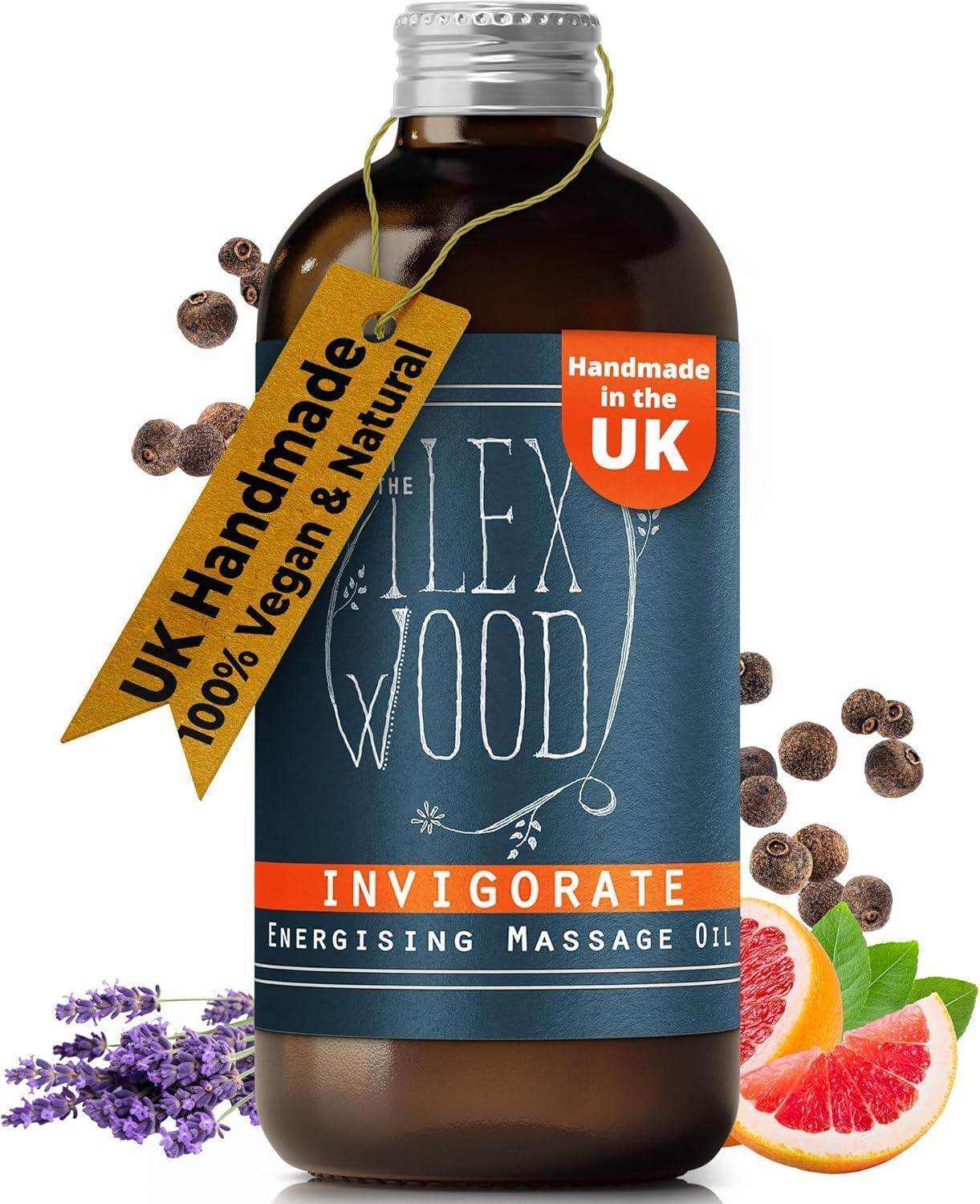
Our range has three 100ml blends, each at £16.95, and each suits a different mood.
- Alleviate Muscle Massage Oil is our go-to for tired, aching muscles after exercise.
- Relax Soothing Massage Oil suits evenings when you want to unwind.
- Invigorate Energising Massage Oil works well for a morning routine or a lift before a workout.
All three are vegan, cruelty-free, palm oil free and handmade in the UK, and they come in plastic-free packaging. Free postage applies on all UK orders. If you are not sure which to start with, begin with Alleviate for muscle-focused sessions.
Browse our products and try a blend that fits your routine.
Ready to try a massage oil that suits your routine? At The Ilex Wood, we make vegan, cruelty-free, palm oil free massage oils by hand in the UK, packed in plastic-free packaging. Browse our massage oils and find the blend that fits your recovery routine, with free postage on all UK orders.
Frequently Asked Questions
Can herbal massage oil help with muscle recovery?
Herbal massage oil can make a massage more comfortable. The oil helps your hands glide smoothly over the muscle. Choose a product with clear ingredients, such as The Ilex Wood Alleviate Muscle Massage Oil at £16.95, and use it alongside rest, hydration and gentle movement.
Is herbal massage oil safe for sensitive skin?
Many people with sensitive skin use plant-based massage oils without trouble, but reactions are still possible. Look for products free from alcohol and synthetic fragrance, and always check the ingredient list. Before using a new oil across a sore area, apply a small amount to the inner forearm and wait 24 hours. Stop using it if you notice redness, itching or swelling. The Ilex Wood Relax Soothing Massage Oil is listed as free from alcohol and palm oil.
How long should you massage a sore muscle?
A gentle massage of around 5 to 10 minutes per muscle group is a sensible starting point after exercise. Use light to moderate pressure and avoid pressing hard into bruised or swollen tissue. Stop if the massage increases pain. Repeating a short session once or twice a day is usually more useful than one long session. Applying a small amount of massage oil, such as The Ilex Wood Invigorate Energising Massage Oil at £16.95, helps your hands move over the area.
When should you avoid massaging a sore muscle?
Avoid massaging a muscle that is sharply painful, swollen, bruised or warm to the touch, as these can signal an injury that needs assessment. Do not massage over a recent strain or a suspected blood clot, particularly if one leg is swollen. If soreness lasts more than a few days, worsens, or is accompanied by numbness or weakness, speak to a GP or physiotherapist. Massage should support recovery, not replace a proper diagnosis.
